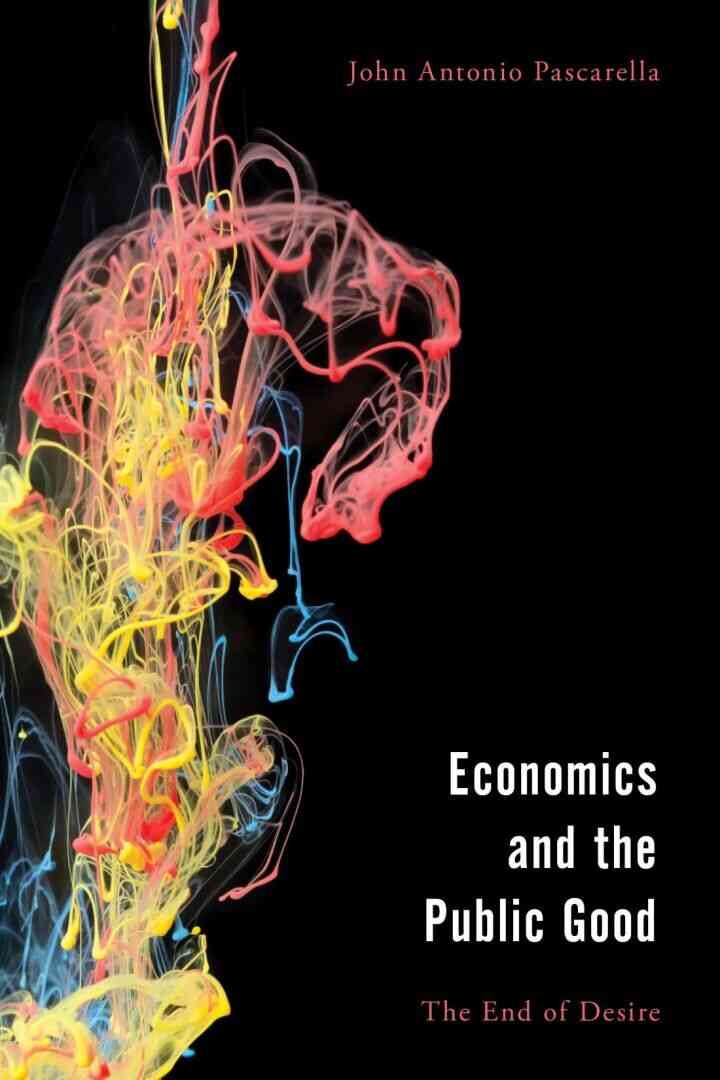
Economics and the Public Good: The End of Desire in Aristotle’s Politics and Ethics
$39.99
What is the nature of economics? How does economics relate to politics? Readers searching for the Ancient Greeks’ answers to these questions often turn to Aristotle, focusing on small portions of the Politics and Nicomachean Ethics that relate to money-making, exchange, and household management. While this approach yields some understanding of economics and politics, it fails to account for how Aristotle’s theoretical inquiry into these practical matters reflects the character of his political philosophy. According to Aristotle, the Ethics and Politics together form “the philosophy concerning the human things.” All human things begin with choice, an intellectual desire and need for the good. Aristotle’s care for this desire is the heart of his political philosophy. Through a close, literal, and careful reading of Aristotle’s political philosophy, readers discover the natural boundaries to economic and political life. Simultaneously theoretical and practical, Aristotle’s political philosophy offers readers a perspective of economics and politics that provides them the experience of the knowledge they need to desire and live within the limit of the good.Economics and the Public Good: The End of Desire in Aristotle’s Politics and Ethics is written by John Antonio Pascarella and published by Rowman & Littlefield Publishers. ISBNs for Economics and the Public Good are 9781786608444, 1786608448 and the print ISBNs are 9781786608437, 178660843X. Additional ISBNs include 9781538166321.
Related products