Skip to content
  • [email protected]
  • +1 (408) 644-4548
Bazriio BookBazriio Book
  • Home
  • Shop
  • About
  • Contact
  • Track Order
  • Faqs
  • 0
    • No products in the cart.

      Return to shop

  • 0
    Cart

    No products in the cart.

    Return to shop

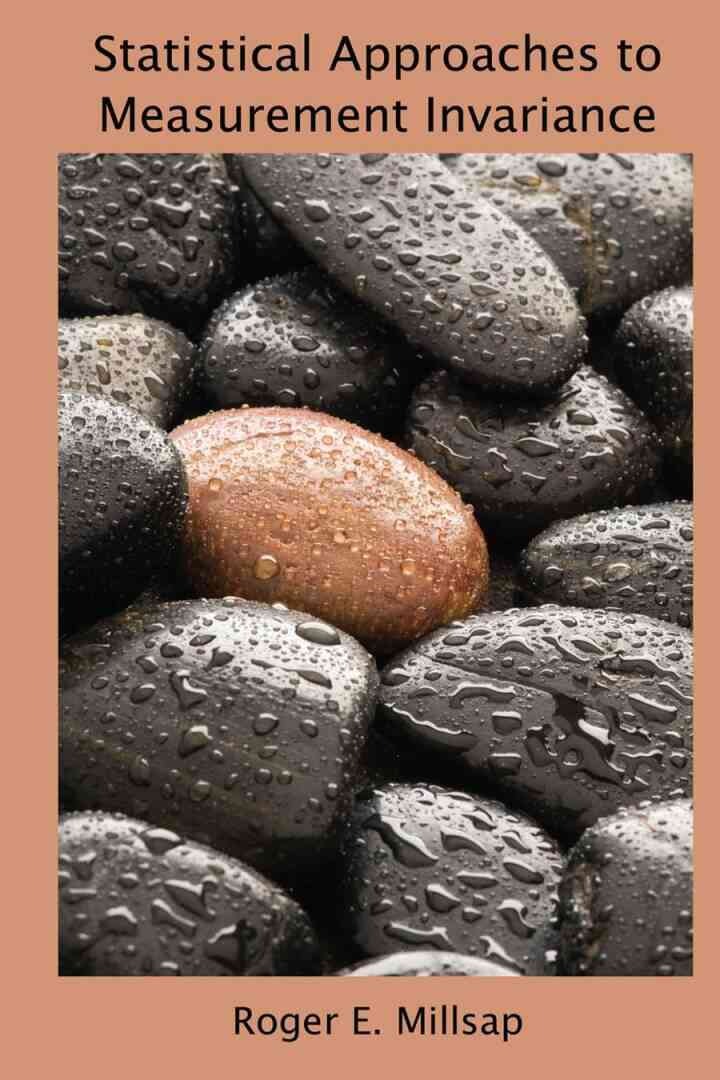
Statistical Approaches to Measurement Invariance
Home / Best Seller

Statistical Approaches to Measurement Invariance

$20.00

Product categories
  • Best Seller
  • Literature & Fiction
  • Romance
  • Self-Help
  • Uncategorized
Products
  • Bible: Grade 5, Teacher Textbook, 3rd Edition Bible: Grade 5, Teacher Textbook, 3rd Edition $25.00
  • International Fuel Gas Code Companion, 1st Edition International Fuel Gas Code Companion, 1st Edition $30.00
  • MindTap for Sizer/Whitney's Nutrition: Concepts and Controversies , 5th Edition MindTap for Sizer/Whitney's Nutrition: Concepts and Controversies , 5th Edition $39.99
  • Valuation Methods and Shareholder Value Creation Valuation Methods and Shareholder Value Creation $39.99
  • Serverless Apps on Cloudflare: Build Solutions, Not Infrastructure, 1st Edition Serverless Apps on Cloudflare: Build Solutions, Not Infrastructure, 1st Edition $25.00
  • Description
  • Description
This book reviews the statistical procedures used to detect measurement bias. Measurement bias is examined from a general latent variable perspective so as to accommodate different forms of testing in a variety of contexts including cognitive or clinical variables, attitudes, personality dimensions, or emotional states. Measurement models that underlie psychometric practice are described, including their strengths and limitations. Practical strategies and examples for dealing with bias detection are provided throughout. The book begins with an introduction to the general topic, followed by a review of the measurement models used in psychometric theory. Emphasis is placed on latent variable models, with introductions to classical test theory, factor analysis, and item response theory, and the controversies associated with each, being provided. Measurement invariance and bias in the context of multiple populations is defined in chapter 3 followed by chapter 4 that describes the common factor model for continuous measures in multiple populations and its use in the investigation of factorial invariance. Identification problems in confirmatory factor analysis are examined along with estimation and fit evaluation and an example using WAIS-R data. The factor analysis model for discrete measures in multiple populations with an emphasis on the specification, identification, estimation, and fit evaluation issues is addressed in the next chapter. An MMPI item data example is provided. Chapter 6 reviews both dichotomous and polytomous item response scales emphasizing estimation methods and model fit evaluation. The use of models in item response theory in evaluating invariance across multiple populations is then described, including an example that uses data from a large-scale achievement test. Chapter 8 examines item bias evaluation methods that use observed scores to match individuals and provides an example that applies item response theory to data introduced earlier in the book. The book concludes with the implications of measurement bias for the use of tests in prediction in educational or employment settings. A valuable supplement for advanced courses on psychometrics, testing, measurement, assessment, latent variable modeling, and/or quantitative methods taught in departments of psychology and education, researchers faced with considering bias in measurement will also value this book.Additional ISBNs9781848728189, 9780203821961, 9781136761072, 9781136761126Statistical Approaches to Measurement Invariance 1st Edition is written by Roger E. Millsap and published by Routledge. ISBNs for Statistical Approaches to Measurement Invariance are 9781136761119, 113676111X and the print ISBNs are 9781848728196, 1848728190. Additional ISBNs include 9781848728189, 9780203821961, 9781136761072, 9781136761126.

This book reviews the statistical procedures used to detect measurement bias. Measurement bias is examined from a general latent variable perspective so as to accommodate different forms of testing in a variety of contexts including cognitive or clinical variables, attitudes, personality dimensions, or emotional states. Measurement models that underlie psychometric practice are described, including their strengths and limitations. Practical strategies and examples for dealing with bias detection are provided throughout. The book begins with an introduction to the general topic, followed by a review of the measurement models used in psychometric theory. Emphasis is placed on latent variable models, with introductions to classical test theory, factor analysis, and item response theory, and the controversies associated with each, being provided. Measurement invariance and bias in the context of multiple populations is defined in chapter 3 followed by chapter 4 that describes the common factor model for continuous measures in multiple populations and its use in the investigation of factorial invariance. Identification problems in confirmatory factor analysis are examined along with estimation and fit evaluation and an example using WAIS-R data. The factor analysis model for discrete measures in multiple populations with an emphasis on the specification, identification, estimation, and fit evaluation issues is addressed in the next chapter. An MMPI item data example is provided. Chapter 6 reviews both dichotomous and polytomous item response scales emphasizing estimation methods and model fit evaluation. The use of models in item response theory in evaluating invariance across multiple populations is then described, including an example that uses data from a large-scale achievement test. Chapter 8 examines item bias evaluation methods that use observed scores to match individuals and provides an example that applies item response theory to data introduced earlier in the book. The book concludes with the implications of measurement bias for the use of tests in prediction in educational or employment settings. A valuable supplement for advanced courses on psychometrics, testing, measurement, assessment, latent variable modeling, and/or quantitative methods taught in departments of psychology and education, researchers faced with considering bias in measurement will also value this book.Additional ISBNs9781848728189, 9780203821961, 9781136761072, 9781136761126Statistical Approaches to Measurement Invariance 1st Edition is written by Roger E. Millsap and published by Routledge. ISBNs for Statistical Approaches to Measurement Invariance are 9781136761119, 113676111X and the print ISBNs are 9781848728196, 1848728190. Additional ISBNs include 9781848728189, 9780203821961, 9781136761072, 9781136761126.

Related products

Winning Grants Step by Step: The Complete Workbook for Planning, Developing, and Writing Successful Proposals

Best Seller

Winning Grants Step by Step: The Complete Workbook for Planning, Developing, and Writing Successful Proposals

$28.00
Select options
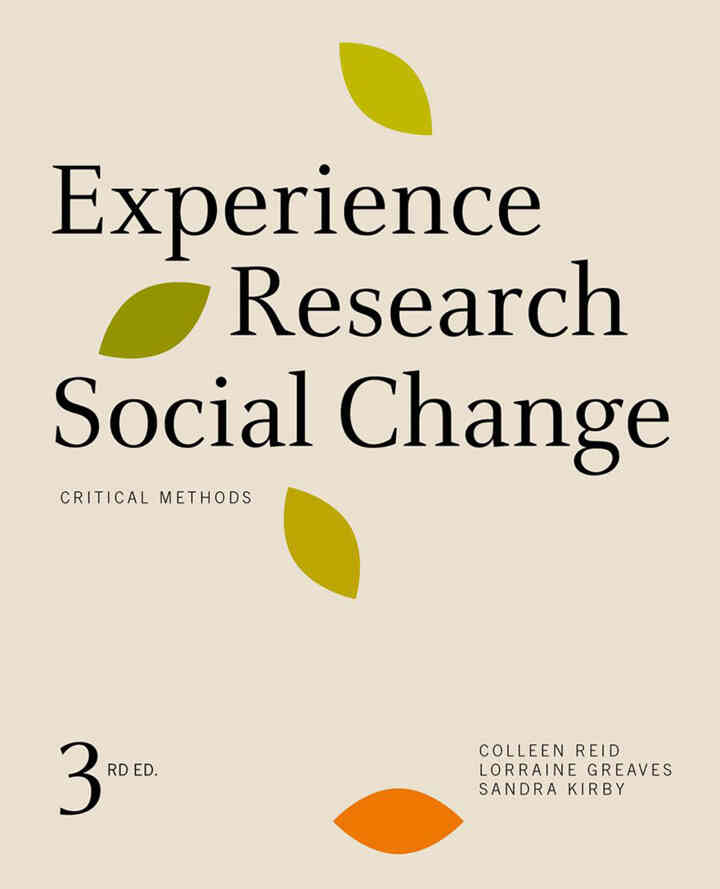
Experience Research Social Change: Critical Methods, 3rd Edition

Best Seller

Experience Research Social Change: Critical Methods, 3rd Edition

$17.50
Select options
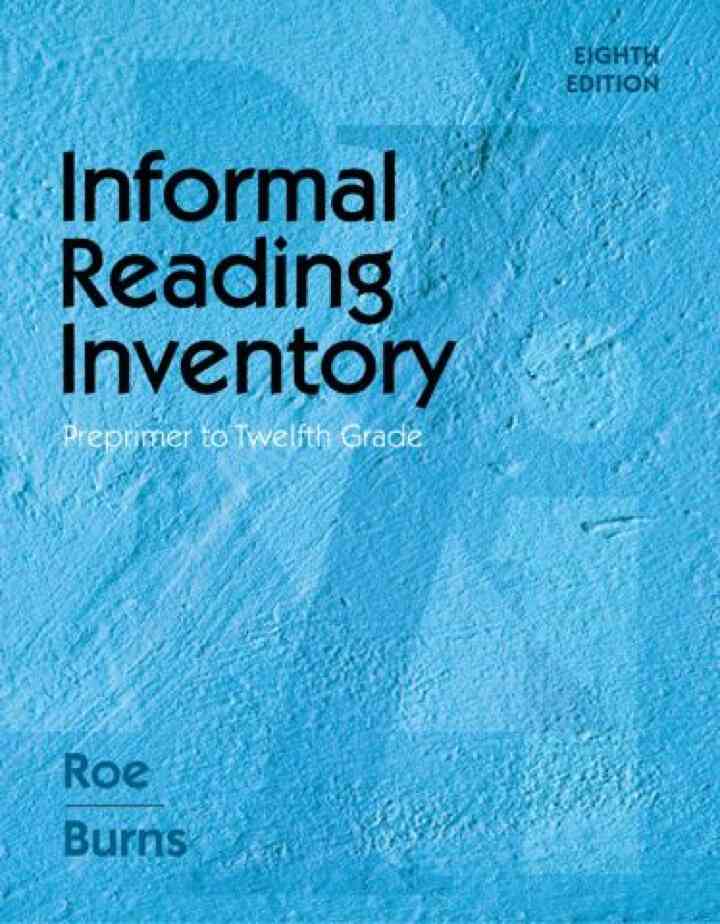
Informal Reading Inventory: Preprimer to Twelfth Grade, 8th Edition

Best Seller

Informal Reading Inventory: Preprimer to Twelfth Grade, 8th Edition

$27.50
Select options
Law and Ethics in the Business Environment, 9th Edition

Best Seller

Law and Ethics in the Business Environment, 9th Edition

$29.50
Select options
College Study Skills: Becoming a Strategic Learner, 7th Edition

Best Seller

College Study Skills: Becoming a Strategic Learner, 7th Edition

$27.50
Select options
Psychology: Themes and Variations, 11th Edition

Best Seller

Psychology: Themes and Variations, 11th Edition

$29.50
Select options
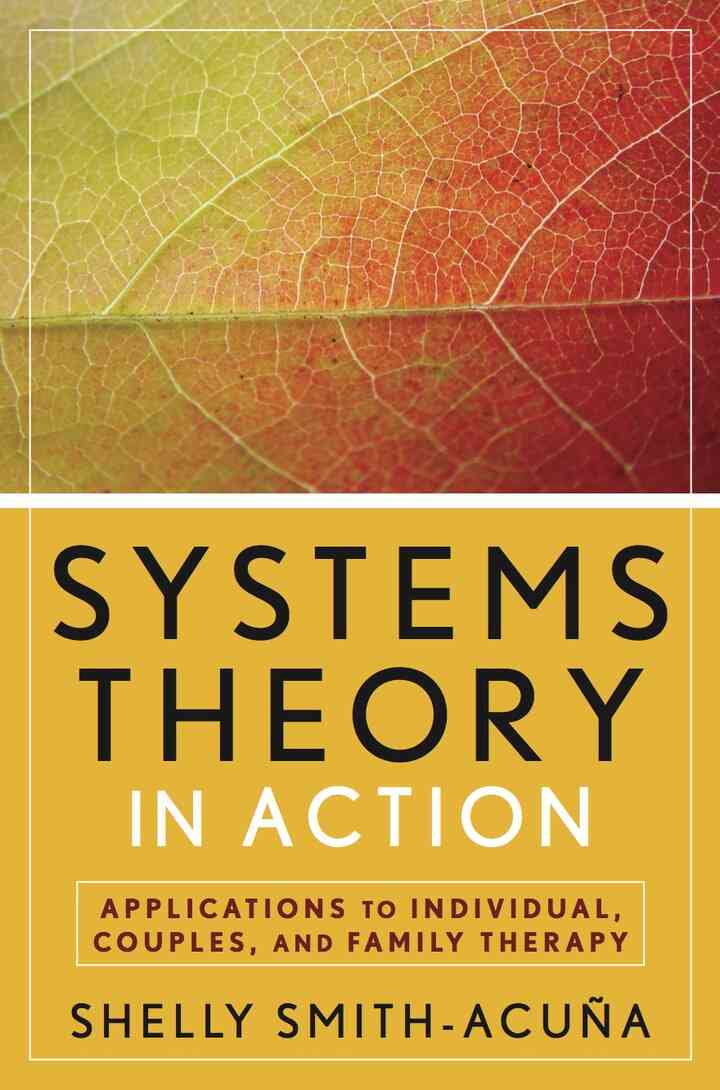
Systems Theory in Action: Applications to Individual, Couple, and Family Therapy, 1st Edition

Best Seller

Systems Theory in Action: Applications to Individual, Couple, and Family Therapy, 1st Edition

$20.00
Select options
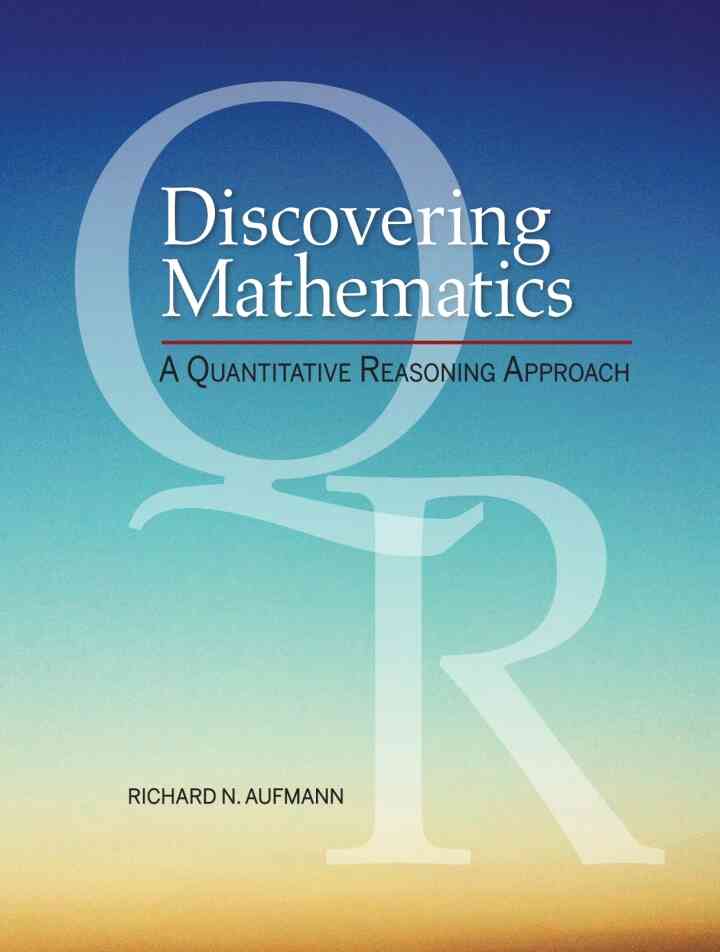
Discovering Mathematics: A Quantitative Reasoning Approach, 1st Edition

Best Seller

Discovering Mathematics: A Quantitative Reasoning Approach, 1st Edition

$29.50
Select options

CONTACT

Company Name: WTBK LLC

Company Number: B20250311906

US Address: 3271 Amethyst St, Los Angeles, CA 90032, USA

Email: [email protected]

Phone: +1 (408) 644-4548

Contact Form: Click here

Business Hours: We are available Monday - Friday 8:00 AM to 6:00 PM (Pacific Time, PT) to assist you with any inquiries.

Response Time: We aim to respond to all customer inquiries within 1 Business day, ensuring you receive timely, reliable, and professional assistance

SERVICES

Home
Shop
About
Contact
Order Tracking
FAQs

POLICIES

Terms & Conditions
Privacy Policy
Shipping Policy
Refund and Returns Policy
Payment Policy
Disclaimer
Do Not Sell My Information

FOLLOW US:

bg_image
Copyright 2026 © Bazriio | A brand of Avery Santiago Rare Books LLC. All Rights Reserved.
  • Home
  • Shop
  • About
  • Contact
  • Track Order
  • Faqs
  • Login
  • [email protected]
  • +1 (408) 644-4548

Login

Lost your password?