Skip to content
  • [email protected]
  • +1 (408) 644-4548
Bazriio BookBazriio Book
  • Home
  • Shop
  • About
  • Contact
  • Track Order
  • Faqs
  • 0
    • No products in the cart.

      Return to shop

  • 0
    Cart

    No products in the cart.

    Return to shop

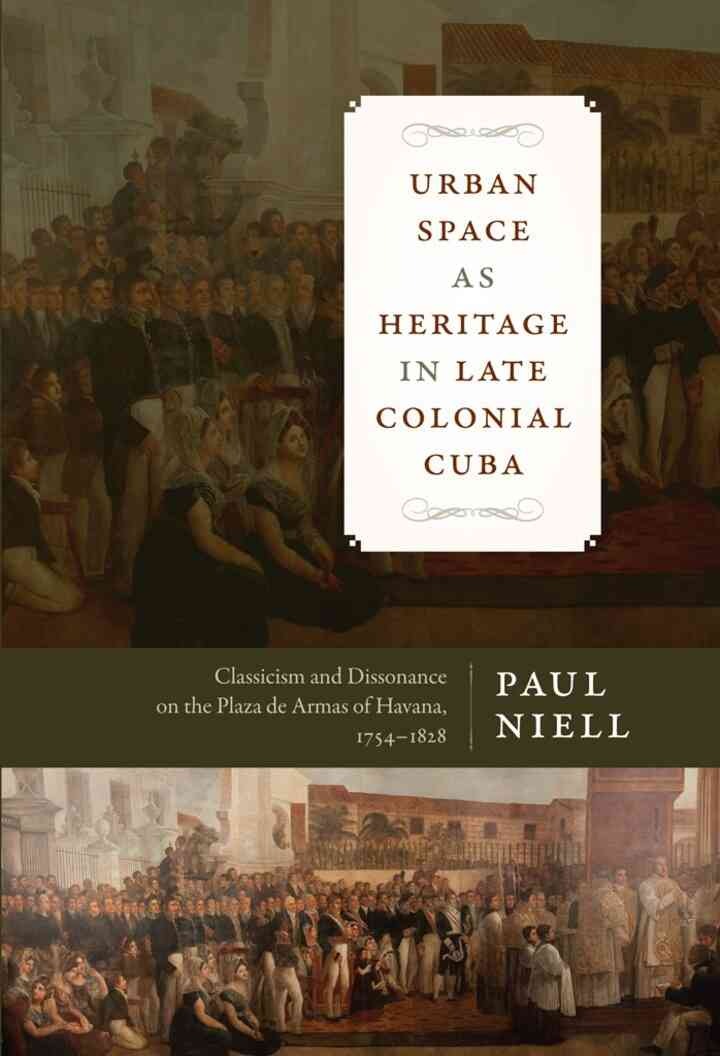
Urban Space as Heritage in Late Colonial Cuba
Home / Best Seller

Urban Space as Heritage in Late Colonial Cuba

$20.00

Product categories
  • Best Seller
  • Literature & Fiction
  • Romance
  • Self-Help
  • Uncategorized
Products
  • Bible: Grade 5, Teacher Textbook, 3rd Edition Bible: Grade 5, Teacher Textbook, 3rd Edition $25.00
  • International Fuel Gas Code Companion, 1st Edition International Fuel Gas Code Companion, 1st Edition $30.00
  • MindTap for Sizer/Whitney's Nutrition: Concepts and Controversies , 5th Edition MindTap for Sizer/Whitney's Nutrition: Concepts and Controversies , 5th Edition $39.99
  • Valuation Methods and Shareholder Value Creation Valuation Methods and Shareholder Value Creation $39.99
  • Serverless Apps on Cloudflare: Build Solutions, Not Infrastructure, 1st Edition Serverless Apps on Cloudflare: Build Solutions, Not Infrastructure, 1st Edition $25.00
  • Description
  • Description
According to national legend, Havana, Cuba, was founded under the shade of a ceiba tree whose branches sheltered the island’s first Catholic mass and meeting of the town council (cabildo) in 1519. The founding site was first memorialized in 1754 by the erection of a baroque monument in Havana’s central Plaza de Armas, which was reconfigured in 1828 by the addition of a neoclassical work, El Templete. Viewing the transformation of the Plaza de Armas from the new perspective of heritage studies, this book investigates how late colonial Cuban society narrated Havana’s founding to valorize Spanish imperial power and used the monuments to underpin a local sense of place and cultural authenticity, civic achievement, and social order.Paul Niell analyzes how Cubans produced heritage at the site of the symbolic ceiba tree by endowing the collective urban space of the plaza with a cultural authority that used the past to validate various place identities in the present. Niell’s close examination of the extant forms of the 1754 and 1828 civic monuments, which include academic history paintings, neoclassical architecture, and idealized sculpture in tandem with period documents and printed texts, reveals a “dissonance of heritage”—in other words, a lack of agreement as to the works’ significance and use. He considers the implications of this dissonance with respect to a wide array of interests in late colonial Havana, showing how heritage as a dominant cultural discourse was used to manage and even disinherit certain sectors of the colonial population.Urban Space as Heritage in Late Colonial Cuba is written by Paul Niell and published by University Of Texas Press. ISBNs for Urban Space as Heritage in Late Colonial Cuba are 9780292766617, 0292766610 and the print ISBNs are 9781477311301, 1477311300. Additional ISBNs include 9780292766594.

According to national legend, Havana, Cuba, was founded under the shade of a ceiba tree whose branches sheltered the island’s first Catholic mass and meeting of the town council (cabildo) in 1519. The founding site was first memorialized in 1754 by the erection of a baroque monument in Havana’s central Plaza de Armas, which was reconfigured in 1828 by the addition of a neoclassical work, El Templete. Viewing the transformation of the Plaza de Armas from the new perspective of heritage studies, this book investigates how late colonial Cuban society narrated Havana’s founding to valorize Spanish imperial power and used the monuments to underpin a local sense of place and cultural authenticity, civic achievement, and social order.Paul Niell analyzes how Cubans produced heritage at the site of the symbolic ceiba tree by endowing the collective urban space of the plaza with a cultural authority that used the past to validate various place identities in the present. Niell’s close examination of the extant forms of the 1754 and 1828 civic monuments, which include academic history paintings, neoclassical architecture, and idealized sculpture in tandem with period documents and printed texts, reveals a “dissonance of heritage”—in other words, a lack of agreement as to the works’ significance and use. He considers the implications of this dissonance with respect to a wide array of interests in late colonial Havana, showing how heritage as a dominant cultural discourse was used to manage and even disinherit certain sectors of the colonial population.Urban Space as Heritage in Late Colonial Cuba is written by Paul Niell and published by University Of Texas Press. ISBNs for Urban Space as Heritage in Late Colonial Cuba are 9780292766617, 0292766610 and the print ISBNs are 9781477311301, 1477311300. Additional ISBNs include 9780292766594.

Related products
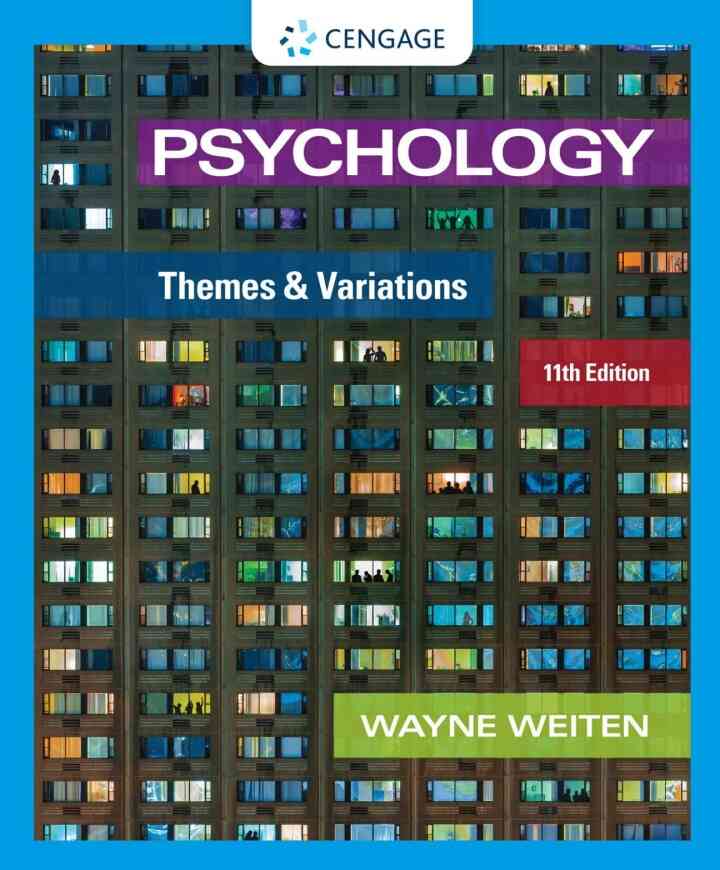
Psychology: Themes and Variations, 11th Edition

Best Seller

Psychology: Themes and Variations, 11th Edition

$29.50
Select options
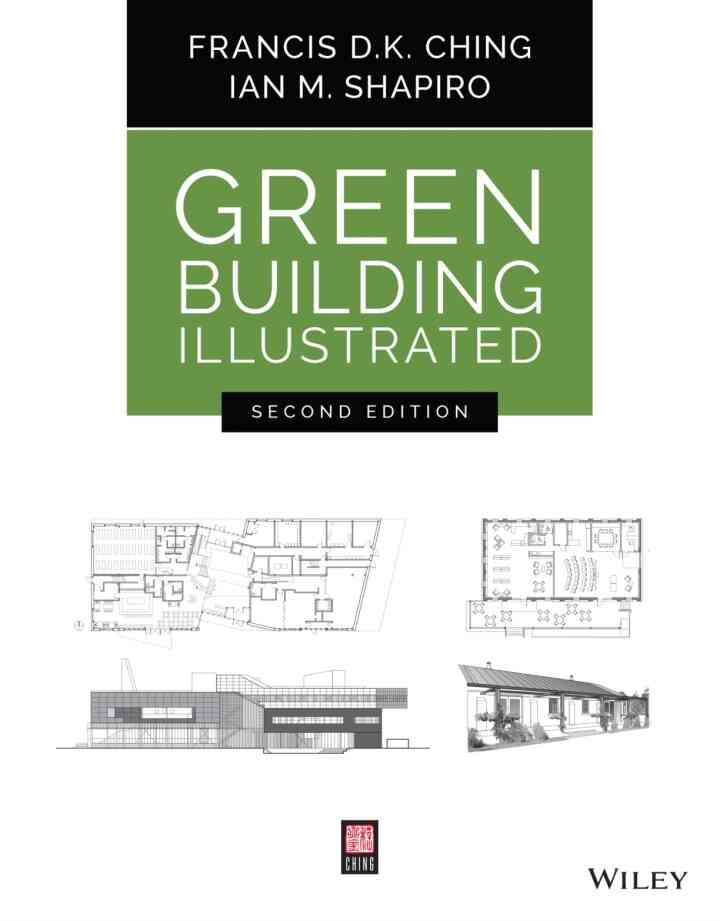
Green Building Illustrated, 2nd Edition

Best Seller

Green Building Illustrated, 2nd Edition

$19.00
Select options
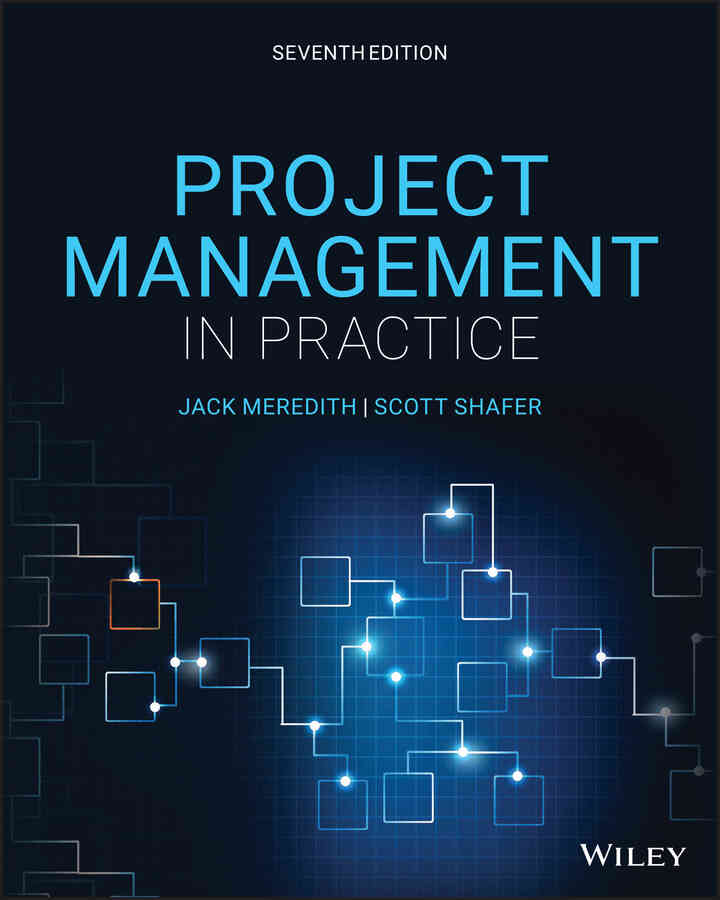
Project Management in Practice, 7th Edition

Best Seller

Project Management in Practice, 7th Edition

$30.00
Select options
Finite Mathematics and Applied Calculus, 8th Edition

Best Seller

Finite Mathematics and Applied Calculus, 8th Edition

$31.50
Select options
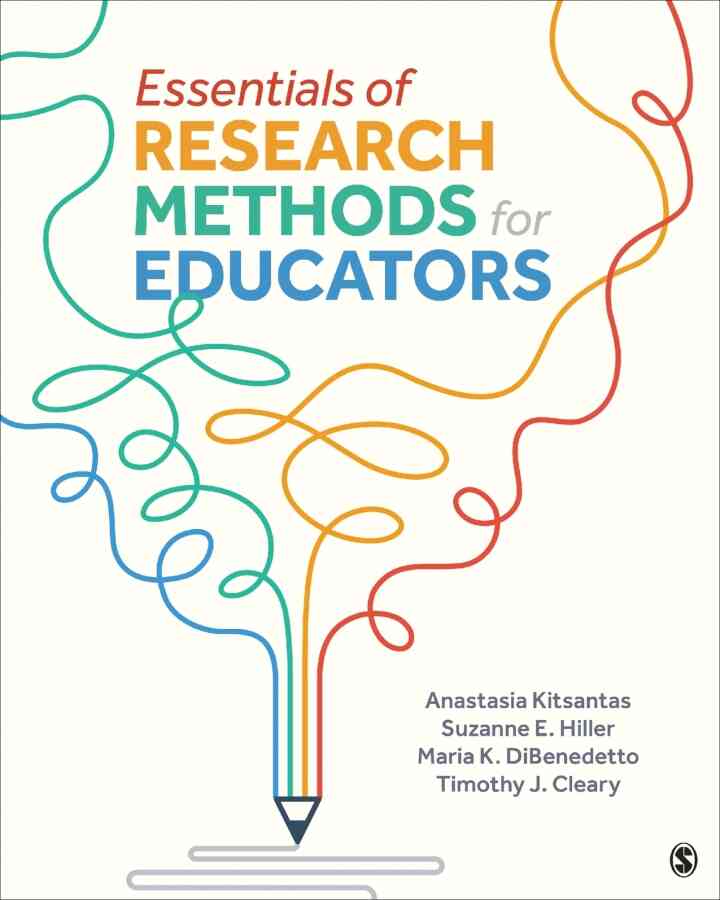
Essentials of Research Methods for Educators, 1st Edition

Best Seller

Essentials of Research Methods for Educators, 1st Edition

$27.00
Select options
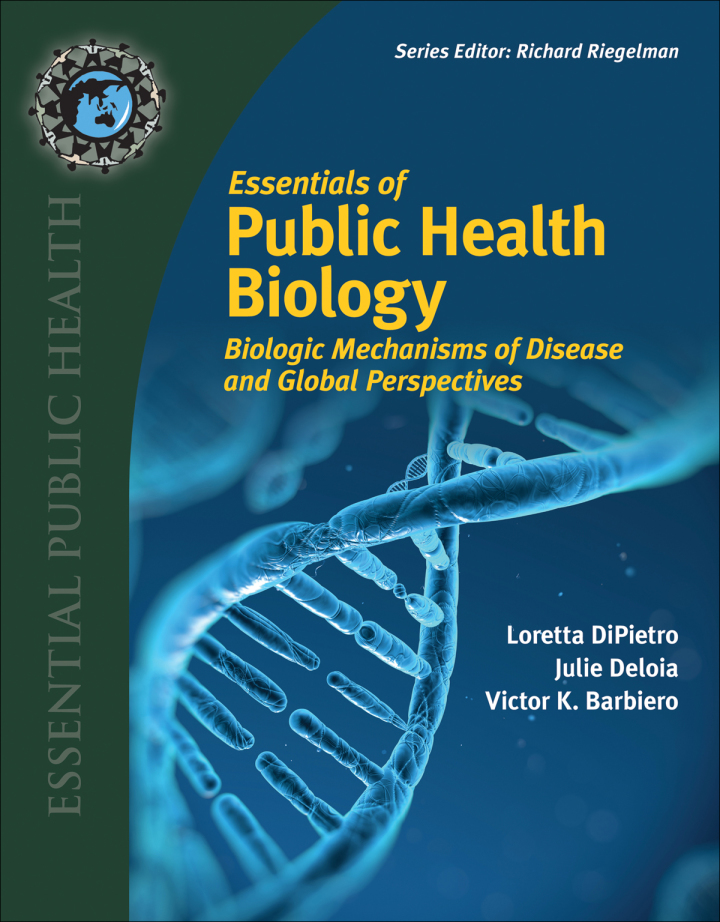
Essentials of Public Health Biology: Biologic Mechanisms of Disease and Global Perspectives

Best Seller

Essentials of Public Health Biology: Biologic Mechanisms of Disease and Global Perspectives

$20.00
Select options
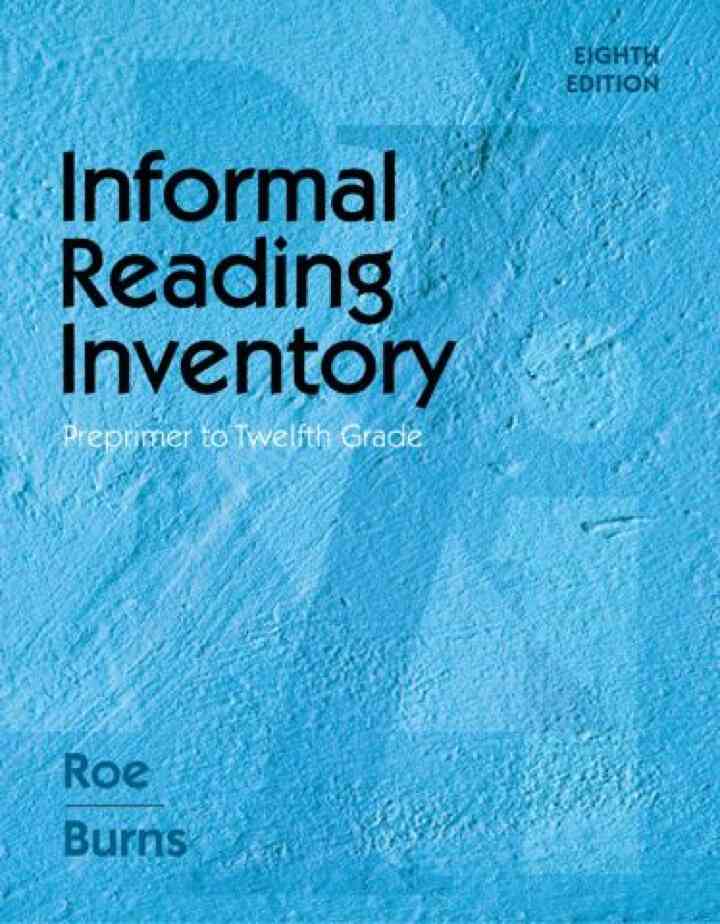
Informal Reading Inventory: Preprimer to Twelfth Grade, 8th Edition

Best Seller

Informal Reading Inventory: Preprimer to Twelfth Grade, 8th Edition

$27.50
Select options
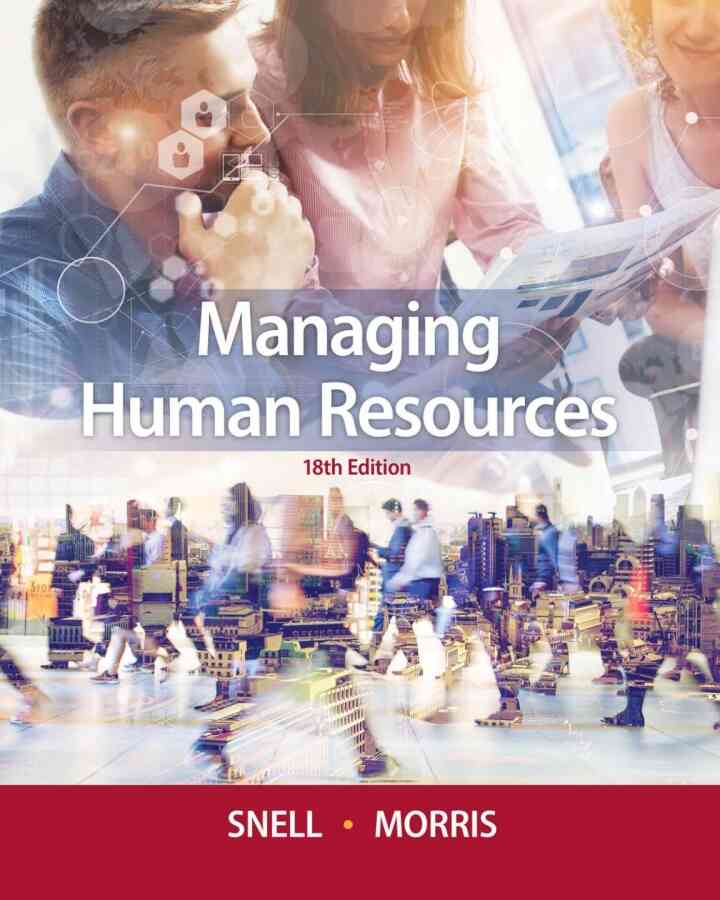
Managing Human Resources, 18th Edition

Best Seller

Managing Human Resources, 18th Edition

$29.50
Select options

CONTACT

Company Name: WTBK LLC

Company Number: B20250311906

US Address: 3271 Amethyst St, Los Angeles, CA 90032, USA

Email: [email protected]

Phone: +1 (408) 644-4548

Contact Form: Click here

Business Hours: We are available Monday - Friday 8:00 AM to 6:00 PM (Pacific Time, PT) to assist you with any inquiries.

Response Time: We aim to respond to all customer inquiries within 1 Business day, ensuring you receive timely, reliable, and professional assistance

SERVICES

Home
Shop
About
Contact
Order Tracking
FAQs

POLICIES

Terms & Conditions
Privacy Policy
Shipping Policy
Refund and Returns Policy
Payment Policy
Disclaimer
Do Not Sell My Information

FOLLOW US:

bg_image
Copyright 2026 © Bazriio | A brand of Avery Santiago Rare Books LLC. All Rights Reserved.
  • Home
  • Shop
  • About
  • Contact
  • Track Order
  • Faqs
  • Login
  • [email protected]
  • +1 (408) 644-4548

Login

Lost your password?